Biblical Hebrew vs Modern Hebrew
An Israeli child can read Genesis aloud, but not every word means what it meant 3,000 years ago. Here is what changed.
 By Guy & ItzikNative Hebrew teachers from Israel
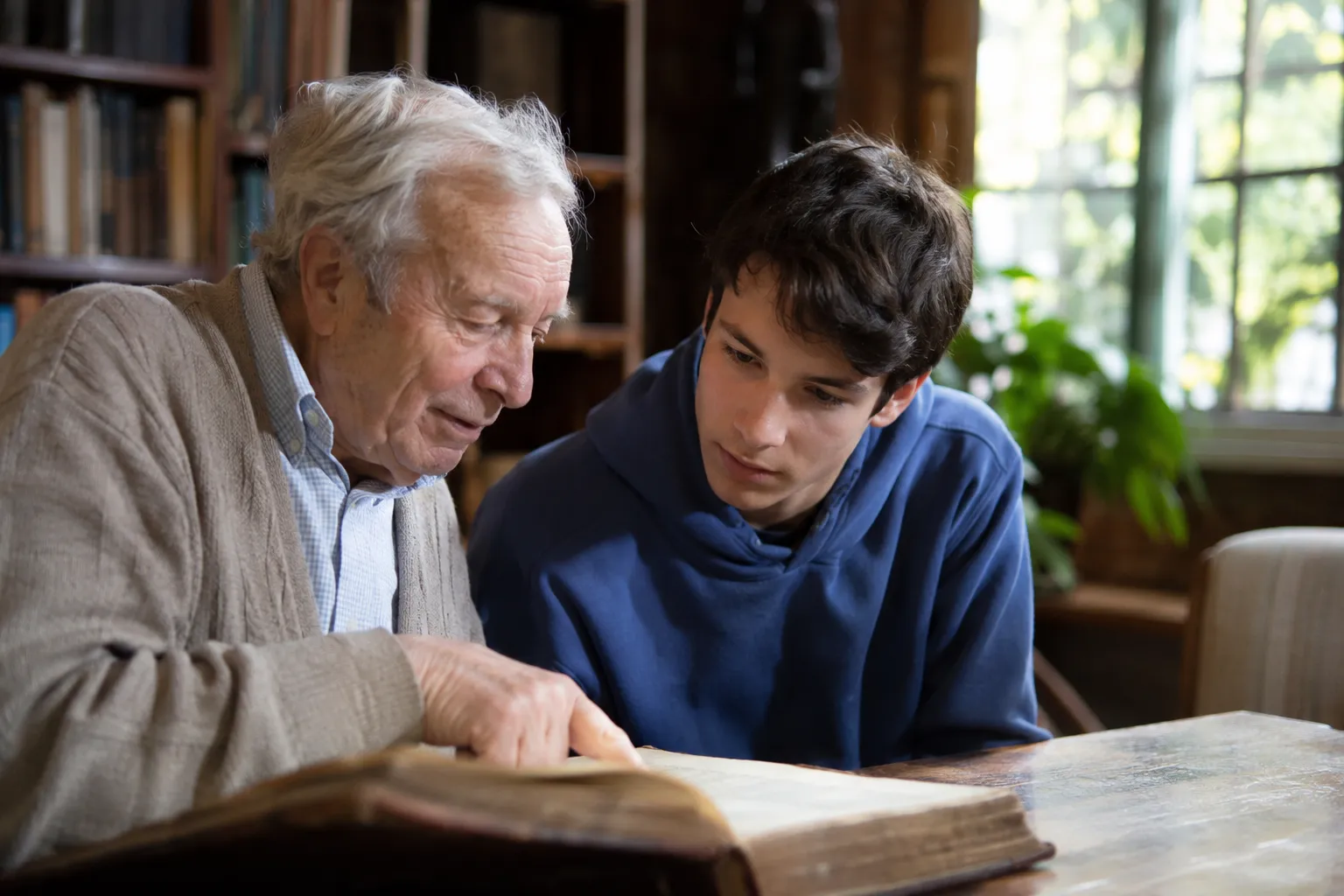
Give an Israeli ten-year-old the first verse of the Bible and they will read it aloud without hesitation. Same letters, same vowel signs, mostly the same words. Yet Biblical Hebrew and the Hebrew spoken in Tel Aviv today are not quite the same language. Here is what stayed, what changed, and which one you should learn.
A short history: 3,000 years of Hebrew
About nine million people speak Hebrew today, and Modern Hebrew is the official language of Israel, its שָׂפָה רִשְׁמִית (safa rishmit). But the story begins in the land of כְּנַעַן (Kna'an, Canaan), where Hebrew was the everyday language of the kingdoms of Israel and Judah from roughly 1000 to 586 BCE. Almost all of the Bible is written in this ancient Hebrew, עִבְרִית מִקְרָאִית (ivrit mikra'it), with a few chapters in Aramaic.
By around the 2nd century CE most Jews had stopped speaking Hebrew day to day. It never died, though. For 1,700 years it lived on in prayer, study, poetry, letters and law, and it kept growing as a written language. In the late 19th century, a group of pioneers led by Eliezer Ben-Yehuda revived it as a spoken mother tongue, a revival with no real parallel in history. Within a few decades children were growing up with Hebrew as their first language.
What stayed the same
- The alphabet. The same 22 letters in the same square script, plus the five final forms.
- The roots. Words are still built from three-letter roots, so the root כ־ת־ב (writing) gives you both the biblical כָּתַב (he wrote) and the modern מִכְתָּב (letter).
- Most basic words. אֶרֶץ (land), שֶׁמֶשׁ (sun), מַיִם (water), לֶחֶם (bread), אָב (father) and thousands more mean exactly what they meant in the Bible.
That is why an Israeli can open the Bible and understand a lot of it, and why Israeli schools teach the Bible from first grade.
What is different
Modern Hebrew is a blend of all its layers: the Bible, the language of the Sages in the Mishnah, medieval poetry and philosophy, plus thousands of new words and borrowings from other languages. A single modern sentence can hold a word that is 3,000 years old next to slang born last year. The main differences:
1. Word order
Biblical narrative usually puts the verb first. Modern Hebrew, like English, usually starts with the subject.
2. The tense system
Biblical stories use a special form, the vav-consecutive: "and" plus a future-looking verb tells a story in the past. וַיֹּאמֶר (vayomer) means "and he said". Modern Hebrew has a simple past, present and future, and uses this form only in quotes and fixed phrases.
3. Vocabulary
The Bible contains only about 8,000 different words, so Modern Hebrew had to create tens of thousands of new ones, for everything from trains to the internet. Sometimes an old, rare word was recycled with a new meaning, which makes for some lovely surprises.
Then and now
4. Meaning that needs a guide
Some biblical words appear only once and their exact meaning is unknown, many have several meanings, and the poetry is dense. So most people, Israelis included, read the Bible with the help of the classic commentators, פַּרְשָׁנֵי הַמִּקְרָא (parshaney ha-mikra).
Which Hebrew should you learn first?
It depends on your goal, and the good news is that each one makes the other easier:
- To talk with Israelis, travel or read the news: start with Modern Hebrew.
- To read the Bible in the original, follow the prayers or pray with the correct pronunciation: start with Biblical Hebrew. Both use the same letters and vowel signs, so you are never starting from zero.
We built a simple, step-by-step Biblical Hebrew course for exactly this: you learn every letter, how to pronounce it with the biblical vowel signs, then read common biblical words, full verses and finally a whole chapter, together with us.
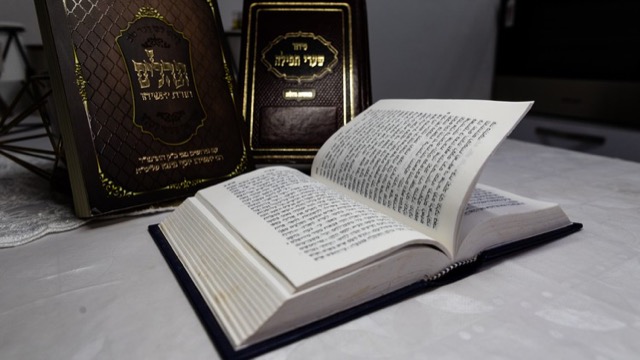 Read & Understand The Hebrew Bible
Learn Biblical Hebrew and read the text in the original.
See the course →And for Modern Hebrew, start with our bestseller:
 Hebrew For Beginners
Learn to speak, read and write Hebrew from scratch with two native Hebrew teachers.
See the course →Curious how Hebrew compares with its closest living relative? Read Hebrew vs Arabic.
Questions about Biblical and Modern Hebrew
Can Israelis understand Biblical Hebrew?
Largely, yes. They can read all of it and understand much of it, especially the stories. Poetry, rare words and some grammar need explanation, which is why the Bible is a school subject in Israel.
Is Biblical Hebrew harder than Modern Hebrew?
For reading, it can be: the vocabulary is older, the grammar uses forms like the vav-consecutive, and there are no modern helpers like simple word order. But it has fewer words, and you don't need to speak it.
Is Modern Hebrew the same as Biblical Hebrew?
No, but they are very close relatives. Modern Hebrew grew directly out of Biblical, Mishnaic and medieval Hebrew, with new vocabulary and simpler grammar for everyday life.
When was Hebrew revived?
Hebrew was revived as a spoken language in the late 19th and early 20th centuries, in the Land of Israel, with Eliezer Ben-Yehuda as its best-known champion.
Native Hebrew teachers from Israel and the creators of Hebrew For Beginners. Since 2012 we have taught Hebrew to over 40,000 students on Udemy, and we built the Hebrew Quiz and Hebrew Alphabet Journey apps.