Hebrew Numbers: How to Count in Hebrew
Hebrew numbers come in two genders, and the little word "ve" holds them together. Once you see the pattern, you can say any number.
 By Guy & ItzikNative Hebrew teachers from Israel
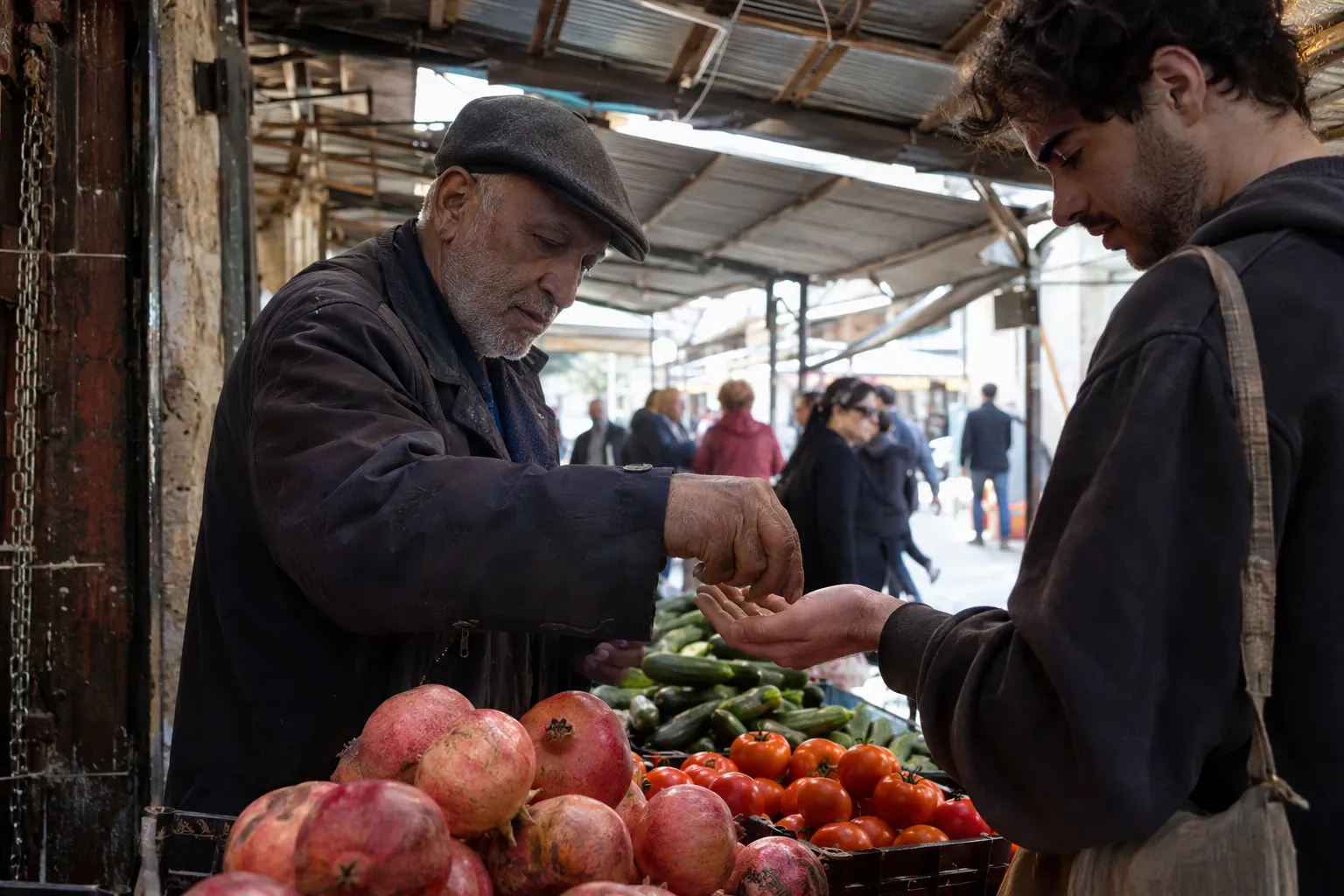
Counting in Hebrew looks scary at first: every number seems to come in two versions. But once you see the pattern, it is surprisingly logical, and with one tiny word, "and", you can build any number up to a billion.
Below you will find the numbers from zero to a billion, both genders, and a converter that writes any number up to 999,999 in Hebrew with vowel signs.
Why Hebrew numbers have two genders
Every Hebrew noun is either masculine or feminine, and the numbers 1 to 19 agree with the noun they count. So "three boys" is שְׁלֹשָׁה יְלָדִים (shlosha yeladim), but "three girls" is שָׁלֹשׁ יְלָדוֹת (shalosh yeladot).
When you just count, read a phone number or say the time, Israelis use the feminine forms. That makes them the most useful set to learn first, and they are also the shorter ones.
A trick to remember them. It works backwards from what you might expect: the masculine numbers usually end in -a (shlosha, arba'a, chamisha), the ending that marks feminine nouns, while the feminine numbers are the short forms (shalosh, arba, chamesh).
Numbers 0 to 10
| # | English | Say it | Hebrew |
|---|---|---|---|
| 0 | zero | efes | אֶפֶס |
| 1 | one | achat | אַחַת |
| 2 | two | shtayim | שְׁתַּיִם |
| 3 | three | shalosh | שָׁלֹשׁ |
| 4 | four | arba | אַרְבַּע |
| 5 | five | chamesh | חָמֵשׁ |
| 6 | six | shesh | שֵׁשׁ |
| 7 | seven | sheva | שֶׁבַע |
| 8 | eight | shmone | שְׁמוֹנֶה |
| 9 | nine | tesha | תֵּשַׁע |
| 10 | ten | eser | עֶשֶׂר |
| # | English | Say it | Hebrew |
|---|---|---|---|
| 1 | one | echad | אֶחָד |
| 2 | two | shnayim | שְׁנַיִם |
| 3 | three | shlosha | שְׁלֹשָׁה |
| 4 | four | arba'a | אַרְבָּעָה |
| 5 | five | chamisha | חֲמִשָּׁה |
| 6 | six | shisha | שִׁשָּׁה |
| 7 | seven | shiv'a | שִׁבְעָה |
| 8 | eight | shmona | שְׁמוֹנָה |
| 9 | nine | tish'a | תִּשְׁעָה |
| 10 | ten | asara | עֲשָׂרָה |
Numbers 11 to 19
The teens are "one-ten", "two-ten" and so on. The feminine ones end in עֶשְׂרֵה (esre), the masculine ones in עָשָׂר (asar).
| # | English | Say it | Hebrew |
|---|---|---|---|
| 11 | eleven | achat-esre | אַחַת עֶשְׂרֵה |
| 12 | twelve | shteym-esre | שְׁתֵּים עֶשְׂרֵה |
| 13 | thirteen | shlosh-esre | שְׁלֹשׁ עֶשְׂרֵה |
| 14 | fourteen | arba-esre | אַרְבַּע עֶשְׂרֵה |
| 15 | fifteen | chamesh-esre | חֲמֵשׁ עֶשְׂרֵה |
| 16 | sixteen | shesh-esre | שֵׁשׁ עֶשְׂרֵה |
| 17 | seventeen | shva-esre | שְׁבַע עֶשְׂרֵה |
| 18 | eighteen | shmone-esre | שְׁמוֹנֶה עֶשְׂרֵה |
| 19 | nineteen | tsha-esre | תְּשַׁע עֶשְׂרֵה |
| # | English | Say it | Hebrew |
|---|---|---|---|
| 11 | eleven | achad-asar | אַחַד עָשָׂר |
| 12 | twelve | shneym-asar | שְׁנֵים עָשָׂר |
| 13 | thirteen | shlosha-asar | שְׁלֹשָׁה עָשָׂר |
| 14 | fourteen | arba'a-asar | אַרְבָּעָה עָשָׂר |
| 15 | fifteen | chamisha-asar | חֲמִשָּׁה עָשָׂר |
| 16 | sixteen | shisha-asar | שִׁשָּׁה עָשָׂר |
| 17 | seventeen | shiv'a-asar | שִׁבְעָה עָשָׂר |
| 18 | eighteen | shmona-asar | שְׁמוֹנָה עָשָׂר |
| 19 | nineteen | tish'a-asar | תִּשְׁעָה עָשָׂר |
Tens, hundreds and beyond
Good news: from 20 up, the round numbers are the same for both genders.
| # | English | Say it | Hebrew |
|---|---|---|---|
| 20 | twenty | esrim | עֶשְׂרִים |
| 30 | thirty | shloshim | שְׁלֹשִׁים |
| 40 | forty | arba'im | אַרְבָּעִים |
| 50 | fifty | chamishim | חֲמִשִּׁים |
| 60 | sixty | shishim | שִׁשִּׁים |
| 70 | seventy | shiv'im | שִׁבְעִים |
| 80 | eighty | shmonim | שְׁמוֹנִים |
| 90 | ninety | tish'im | תִּשְׁעִים |
| 100 | one hundred | me'a | מֵאָה |
| 200 | two hundred | matayim | מָאתַיִם |
| 300 | three hundred | shlosh me'ot | שְׁלֹשׁ מֵאוֹת |
| 500 | five hundred | chamesh me'ot | חֲמֵשׁ מֵאוֹת |
| 1,000 | one thousand | elef | אֶלֶף |
| 2,000 | two thousand | alpayim | אַלְפַּיִם |
| 3,000 | three thousand | shloshet alafim | שְׁלֹשֶׁת אֲלָפִים |
| 10,000 | ten thousand | aseret alafim | עֲשֶׂרֶת אֲלָפִים |
| 100,000 | one hundred thousand | me'a elef | מֵאָה אֶלֶף |
| 1,000,000 | one million | milyon | מִילְיוֹן |
| 1,000,000,000 | one billion | milyard | מִילְיַארְד |
Notice the special words for 200 and 2,000: מָאתַיִם and אַלְפַּיִם end in -ayim, an old ending that means "a pair of", like שְׁתַּיִם itself.
The magic word: "and"
To join the parts of a number, Hebrew puts "and", the single letter ו (vav, pronounced ve-), in front of the last part. It is glued to the next word, and before some sounds it is pronounced u or va instead of ve.
Try it yourself. Type any number and the converter writes it in Hebrew, with vowel signs and transliteration. Switch to masculine to see how the end of the number changes.
Hebrew number converter
Any whole number from 0 to 999,999.
 Hebrew For Beginners
Learn to speak, read and write Hebrew from scratch with two native Hebrew teachers.
See the course →Reading a really big number
Big numbers are read in groups of three, exactly like in English: billions, millions, thousands, and the rest. Millions and thousands are masculine words, so the numbers in front of them take the masculine form. Let's read 1,425,349,153:
| 1,000,000,000 | milyard | מִילְיַארְד |
| 425,000,000 | arba me'ot esrim va-chamisha milyon | אַרְבַּע מֵאוֹת עֶשְׂרִים וַחֲמִשָּׁה מִילְיוֹן |
| 349,000 | shlosh me'ot arba'im ve-tish'a elef | שְׁלֹשׁ מֵאוֹת אַרְבָּעִים וְתִשְׁעָה אֶלֶף |
| 153 | me'a chamishim ve-shalosh | מֵאָה חֲמִשִּׁים וְשָׁלֹשׁ |
All together:
That's it. With these building blocks you can count as far as you like.
Your turn: 873,051,965
Say it out loud first, then check.
Show the answer
שְׁמוֹנֶה מֵאוֹת שִׁבְעִים וּשְׁלֹשָׁה מִילְיוֹן, חֲמִשִּׁים וְאֶחָד אֶלֶף, תְּשַׁע מֵאוֹת שִׁשִּׁים וְחָמֵשׁ
shmone me'ot shiv'im u-shlosha milyon, chamishim ve-echad elef, tsha me'ot shishim ve-chamesh
Counting things
When you count objects, the number agrees with the noun's gender. Two small surprises:
- One comes after the noun, like an adjective: יֶלֶד אֶחָד (yeled echad), one boy; יַלְדָּה אַחַת (yalda achat), one girl.
- Two gets a short form before a noun: שְׁנֵי יְלָדִים (shney yeladim), two boys; שְׁתֵּי יְלָדוֹת (shtey yeladot), two girls.
From three up, the number simply comes first: חֲמִשָּׁה סְפָרִים (chamisha sfarim), five books; חָמֵשׁ דַּקּוֹת (chamesh dakot), five minutes.
Numbers are everywhere in daily life. Put them to work with our guides to telling the time in Hebrew and the Hebrew calendar, where even the dates are written with letters.
Questions about Hebrew numbers
How do you count to 10 in Hebrew?
Counting uses the feminine forms: אַחַת, שְׁתַּיִם, שָׁלֹשׁ, אַרְבַּע, חָמֵשׁ, שֵׁשׁ, שֶׁבַע, שְׁמוֹנֶה, תֵּשַׁע, עֶשֶׂר (achat, shtayim, shalosh, arba, chamesh, shesh, sheva, shmone, tesha, eser).
Why are there masculine and feminine numbers in Hebrew?
Because numbers agree with the gender of the noun they count, like adjectives. From 20 up, the round numbers are the same for both.
How do you say 100 and 1,000 in Hebrew?
100 is מֵאָה (me'a) and 1,000 is אֶלֶף (elef). 200 and 2,000 have their own words: מָאתַיִם (matayim) and אַלְפַּיִם (alpayim).
Are Hebrew numbers also written with letters?
Yes. Every Hebrew letter has a value (gematria), and letters are still used for dates in the Hebrew calendar, chapter numbers and lists. Everyday numbers use the same digits as English.
Native Hebrew teachers from Israel and the creators of Hebrew For Beginners. Since 2012 we have taught Hebrew to over 40,000 students on Udemy, and we built the Hebrew Quiz and Hebrew Alphabet Journey apps.