100 Most Common Hebrew Words
A few hundred words cover most of everyday Hebrew. Start with these 100, sorted by how you will actually use them.
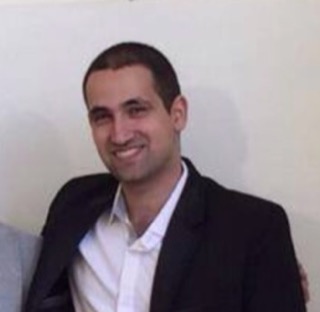
 By Guy & ItzikNative Hebrew teachers from Israel

Where do you start with Hebrew vocabulary? Right here. A few hundred words make up most of what you hear and read every day, and with the 100 below you can already hold a simple conversation, read a short message and understand far more than you expect.
We grouped them by how you will use them: people, questions, the little words that hold sentences together, verbs, time and everyday things. Every word comes with its vowel signs, a transliteration and its meaning. Use the switches to hide the vowel signs (the way Israelis write) or the transliteration, and when you are ready, quiz yourself.
Did you know? Near the very top of every frequency list of written Hebrew is not "I" or "yes" but אֶת (et), a little word with no English translation at all. You will find it in the list, and our post on Hebrew vs English explains what it does.
The 100 words
Search in English, Hebrew or transliteration. Switch the vowel signs off to practice reading like an Israeli.
| # | English | Say it | Hebrew |
|---|---|---|---|
| People and pronouns | |||
| 1 | I | ani | אֲנִיאני |
| 2 | you (to a man) | ata | אַתָּהאתה |
| 3 | you (to a woman) | at | אַתְּאת |
| 4 | he, it | hu | הוּאהוא |
| 5 | she, it | hi | הִיאהיא |
| 6 | we | anachnu | אֲנַחְנוּאנחנו |
| 7 | you (plural) | atem | אַתֶּםאתם |
| 8 | they | hem | הֵםהם |
| 9 | man | ish | אִישׁאיש |
| 10 | woman, wife | isha | אִשָּׁהאישה |
| 11 | boy, child | yeled | יֶלֶדילד |
| 12 | dad | aba | אַבָּאאבא |
| 13 | mom | ima | אִמָּאאמא |
| 14 | friend | chaver | חָבֵרחבר |
| Question words | |||
| 15 | what | ma | מָהמה |
| 16 | who | mi | מִימי |
| 17 | where | eyfo | אֵיפֹהאיפה |
| 18 | when | matay | מָתַימתי |
| 19 | why | lama | לָמָּהלמה |
| 20 | how | eych | אֵיךְאיך |
| 21 | how many, how much | kama | כַּמָּהכמה |
| 22 | which | eyze | אֵיזֶהאיזה |
| Little words that hold sentences together | |||
| 23 | yes | ken | כֵּןכן |
| 24 | no, not | lo | לֹאלא |
| 25 | there is, (I) have | yesh | יֵשׁיש |
| 26 | there isn't, (I) don't have | eyn | אֵיןאין |
| 27 | this, it | ze | זֶהזה |
| 28 | of, belonging to | shel | שֶׁלשל |
| 29 | marks a definite object (no translation) | et | אֶתאת |
| 30 | with | im | עִםעם |
| 31 | on, about | al | עַלעל |
| 32 | also, too | gam | גַּםגם |
| 33 | but | aval | אֲבָלאבל |
| 34 | or | o | אוֹאו |
| 35 | because | ki | כִּיכי |
| 36 | if | im | אִםאם |
| 37 | only | rak | רַקרק |
| 38 | more, still | od | עוֹדעוד |
| 39 | already | kvar | כְּבָרכבר |
| 40 | very | me'od | מְאוֹדמאוד |
| 41 | a lot, many | harbe | הַרְבֵּההרבה |
| 42 | a little | ktsat | קְצָתקצת |
| 43 | every, all | kol | כָּלכל |
| 44 | like, as | kmo | כְּמוֹכמו |
| 45 | here | po | פֹּהפה |
| 46 | there | sham | שָׁםשם |
| 47 | maybe | ulay | אוּלַיאולי |
| 48 | OK, fine | beseder | בְּסֵדֶרבסדר |
| Polite words | |||
| 49 | hello, goodbye, peace | shalom | שָׁלוֹםשלום |
| 50 | thank you | toda | תּוֹדָהתודה |
| 51 | please, you're welcome | bevakasha | בְּבַקָּשָׁהבבקשה |
| 52 | sorry, excuse me | slicha | סְלִיחָהסליחה |
| Verbs | |||
| 53 | can, is able to | yachol | יָכוֹליכול |
| 54 | needs to, must | tsarich | צָרִיךְצריך |
| 55 | wants | rotse | רוֹצֶהרוצה |
| 56 | to be | lihyot | לִהְיוֹתלהיות |
| 57 | to do, to make | la'asot | לַעֲשׂוֹתלעשות |
| 58 | to go, to walk | lalechet | לָלֶכֶתללכת |
| 59 | to come | lavo | לָבוֹאלבוא |
| 60 | to see | lir'ot | לִרְאוֹתלראות |
| 61 | to know | lada'at | לָדַעַתלדעת |
| 62 | to give | latet | לָתֵתלתת |
| 63 | to take | lakachat | לָקַחַתלקחת |
| 64 | to speak | ledaber | לְדַבֵּרלדבר |
| 65 | to eat | le'echol | לֶאֱכֹללאכול |
| 66 | to drink | lishtot | לִשְׁתּוֹתלשתות |
| 67 | to love | le'ehov | לֶאֱהֹבלאהוב |
| 68 | to think | lachshov | לַחְשֹׁבלחשוב |
| 69 | to work | la'avod | לַעֲבֹדלעבוד |
| 70 | to learn, to study | lilmod | לִלְמֹדללמוד |
| 71 | to write | lichtov | לִכְתֹּבלכתוב |
| 72 | to read, to call | likro | לִקְרֹאלקרוא |
| 73 | to live (somewhere) | lagur | לָגוּרלגור |
| Time | |||
| 74 | day | yom | יוֹםיום |
| 75 | night | layla | לַיְלָהלילה |
| 76 | week | shavu'a | שָׁבוּעַשבוע |
| 77 | month | chodesh | חֹדֶשׁחודש |
| 78 | year | shana | שָׁנָהשנה |
| 79 | time | zman | זְמַןזמן |
| 80 | now | achshav | עַכְשָׁועכשיו |
| 81 | today | hayom | הַיּוֹםהיום |
| 82 | tomorrow | machar | מָחָרמחר |
| 83 | yesterday | etmol | אֶתְמוֹלאתמול |
| 84 | Saturday, Sabbath | shabat | שַׁבָּתשבת |
| Things and places | |||
| 85 | house, home | bayit | בַּיִתבית |
| 86 | water | mayim | מַיִםמים |
| 87 | food | ochel | אֹכֶלאוכל |
| 88 | money, silver | kesef | כֶּסֶףכסף |
| 89 | work, job | avoda | עֲבוֹדָהעבודה |
| 90 | way, road | derech | דֶּרֶךְדרך |
| 91 | city | ir | עִירעיר |
| 92 | land, country | erets | אֶרֶץארץ |
| 93 | world | olam | עוֹלָםעולם |
| 94 | thing | davar | דָּבָרדבר |
| Describing words | |||
| 95 | good | tov | טוֹבטוב |
| 96 | bad | ra | רַערע |
| 97 | big | gadol | גָּדוֹלגדול |
| 98 | small | katan | קָטָןקטן |
| 99 | new | chadash | חָדָשׁחדש |
| 100 | beautiful, nice | yafe | יָפֶהיפה |
How to learn these words fast
- Learn them in pairs and phrases. יֵשׁ / אֵין, גָּדוֹל / קָטָן, הַיּוֹם / מָחָר. Opposites and little phrases stick far better than single words.
- Say them out loud. Read the Hebrew, say it, then check the transliteration. Your mouth remembers what your eyes forget.
- Turn the vowel signs off early. Once you know a word, practice recognizing it without nikkud, the way it appears in real life. Our tips for reading without vowel signs explain why this matters so much.
- Use them today. שָׁלוֹם, תּוֹדָה, בְּבַקָּשָׁה and סְלִיחָה will get you a long way in Israel on day one.
Your first sentences
With just the words above, you can already say:
Notice what is missing: Hebrew has no word for "is" or "am" in the present tense. "The house is big" is simply הַבַּיִת גָּדוֹל (ha-bayit gadol), "the house big".
Where to go next
Words become fluent when you meet them again and again. Two ways to keep them coming:
 Hebrew Vocabulary Enhancing
Grow your Hebrew vocabulary at your own pace.
See the course →And for practice on the go, our app quizzes you on hundreds of words, each one recorded by a native speaker, with or without vowel signs:
Unlimited vocabulary quizzes with professional human narration for every word. Practice with friends and choose whether the vowel signs show.

Questions about Hebrew vocabulary
How many words do you need to speak Hebrew?
Around 500 to 1,000 well-chosen words cover most everyday conversations. The 100 words on this page are the foundation that the rest are built on.
What is the most common word in Hebrew?
In written Hebrew it is usually אֶת (et), which marks a definite direct object and has no English equivalent. Close behind come שֶׁל (of), לֹא (no, not), עַל (on) and זֶה (this).
Why are some words different for men and women?
Hebrew has grammatical gender. "You" is אַתָּה to a man and אַתְּ to a woman, and verbs and adjectives change too: רוֹצֶה (he wants) but רוֹצָה (she wants).
Native Hebrew teachers from Israel and the creators of Hebrew For Beginners. Since 2012 we have taught Hebrew to over 40,000 students on Udemy, and we built the Hebrew Quiz and Hebrew Alphabet Journey apps.